Bringing Home Baby Chicks? Here’s Everything You Need.
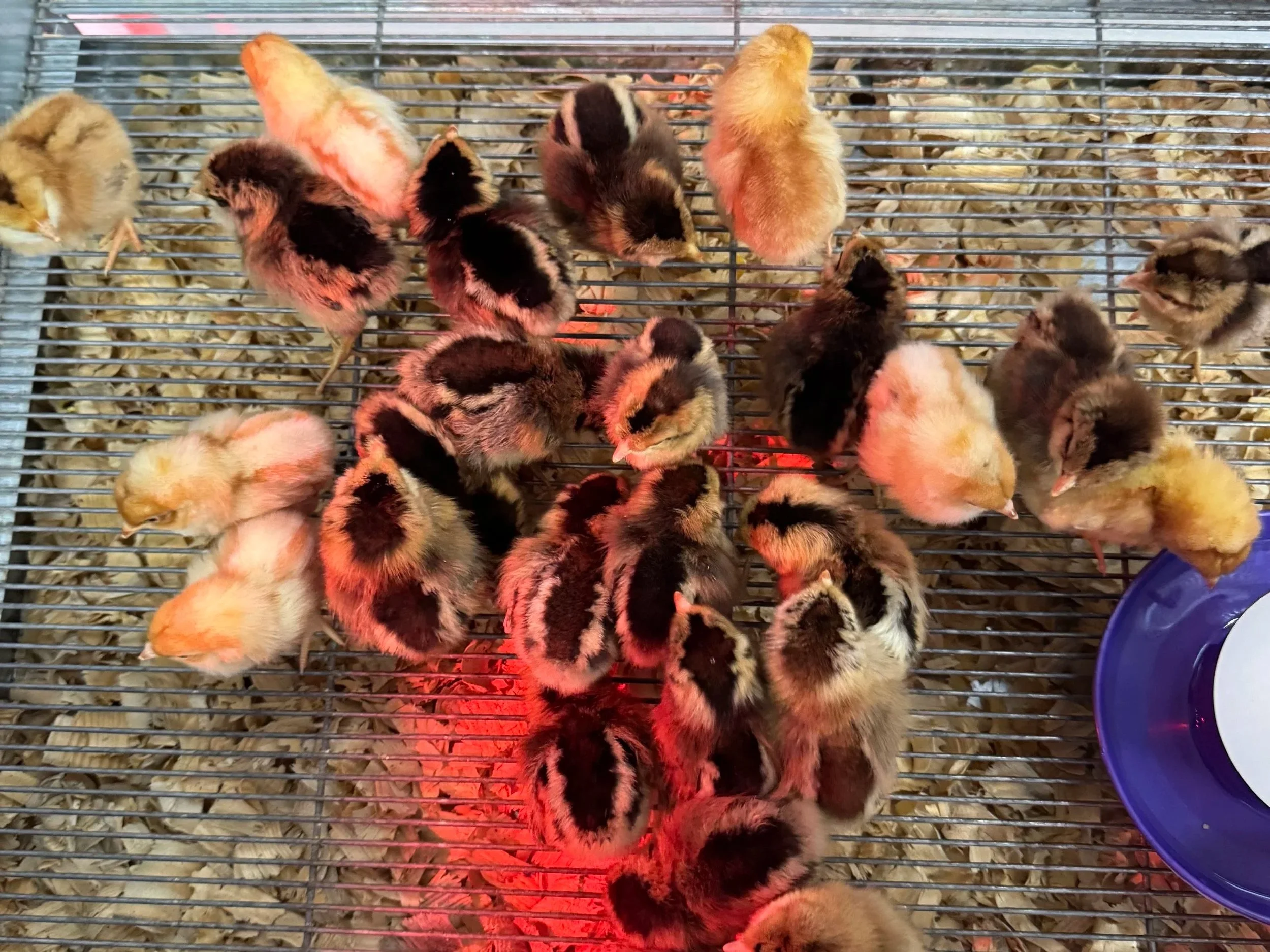
Those tiny, peeping fluffballs are hard to resist, and once you've got them, the clock starts. The first few weeks are the most critical for your chicks' health and development. We've put together this guide so you can skip the guesswork and get straight to the good part: watching them grow.
Grab These Before You Pick Up
Set everything up before you bring your chicks home. A pre-warmed brooder waiting for them makes a real difference. Here's your shopping list:
- Brooder
- Waterer
- Brooder Lamp & Bulb
- Feeder
- Coop
- Thermometer
- Pine Shavings
- Probiotics & Electrolytes
- Starter/Grower Feed
- Chick Grit
Not sure what brand to grab? Stop in and we'll sort you out. It's kind of our thing.
The Ride Home
Keep the chick box on the floor of your vehicle, not on a seat where it can slide or tip if you brake. In winter, run the heat. In summer, never leave chicks in a parked car. Heat builds up fast and it can be fatal in minutes.
Have your brooder fully set up and pre-warmed before you leave. The sooner chicks are in a stable, warm space, the less stress for everyone, including them and you.
Setting Up the Brooder
A brooder is just a warm, safe enclosure for chicks during those first vulnerable weeks. A garage or enclosed outbuilding is ideal: somewhere protected from drafts and away from your dog, cat, or whoever else is running the household.
Walls should be at least 18 inches high, and cover the top with wire screen. For bigger flocks, a metal stock tank in a draft-free outbuilding works great.
On space: give chicks ½ sq ft per bird for the first two weeks, then expand to 1 sq ft per bird after that. They grow fast. Genuinely fast.
The heat lamp can melt plastic and ignite cardboard. We know it seems convenient, but it's not worth the risk. Use solid, non-flammable structures only.
Bedding
Good bedding isn't just about cleanliness. It's about leg development. Without traction, chicks can develop "splay leg," a painful permanent condition. Don't skip this.
Go with 2–3 inches of pine flake shavings. If your brooder has a metal floor, lay paper towels first. After a few days, transition to shavings, chopped straw, or shredded cardboard.
Change it daily. Damp bedding grows mold fast, and that's one of the most common causes of early chick illness. Wash hands immediately after handling anything in the brooder.
Keeping Them Warm
Chicks can't regulate their own body temperature yet. Your job is to create a warm zone on one side of the brooder and cooler space on the other, so they can move in and out of the heat as needed.
| Week | Target Temp (Floor Level) | Signs Things Are Good |
|---|---|---|
| Week 1 | 95°F | Active, spread around naturally |
| Week 2 | 90°F | Eating well, exploring |
| Week 3 | 85°F | Feathers starting to come in |
| Week 4 | 80°F | Noticeably more feathered |
| Week 5+ | 75°F or ambient | Well-feathered, almost ready outside |
Huddled in a pile under the lamp? Cold. Lower it. Crowding the edges? Too hot. Raise it. Spread out, peeping calmly? Perfect.
Food & Water
Fresh food and clean water need to be available at all times. Use a proper chick fountain. Improvised saucers tip constantly and keep the brooder wet. A 5-quart waterer handles up to 32 birds; a 7-lb feeder works for up to 15.
If chicks aren't drinking at first, gently dip their beaks in the water. One taste and they usually figure the rest out.
Weeks 1–8: Start on 18–20% protein starter feed (24% for broilers). High protein supports rapid early growth and immunity.
Weeks 8–10+: Transition to 18–19% chick grower. Mix old and new feed over a few days to avoid digestive upset.
As They Grow
Around weeks 2–3, chicks will start looking for higher ground. Add a low roosting perch. A smooth stick or flat rock a few inches off the floor works great. This also keeps them from roosting on the waterer, which they will absolutely attempt.
On warm days, set up a wire pen outside for short supervised visits in a draft-free area. Throw in a tray of sand for dust bathing. It's instinctive behavior and keeps feathers healthy.
One more thing: move slowly around them. Quick movements trigger prey instincts and make them skittish. The more calm handling they get early, the friendlier your flock will be as adults. Your future self will thank you.
Backyard poultry can carry Salmonella even when they look perfectly healthy. These simple habits keep your whole family safe:
- Wash hands with soap and water right after handling chicks, eggs, or anything in their space
- Children under 5, adults over 65, and immunocompromised individuals should not handle chicks
- Don't kiss or snuggle chicks. Germs transfer through your mouth.
- Keep chicks out of the house, especially kitchens and bathrooms
- Always supervise young children around the flock
- Use hand sanitizer if soap and water aren't immediately available
More info: cdc.gov/backyardpoultry · 1-800-CDC-INFO
We've Got Everything on That List.
Stop by the store and we'll help you find the right feed, the right setup, and answer whatever chick questions you've been Googling at midnight. No judgment. That's what we're here for.
Shop Poultry Supplies Visit Us